What I Do
Product management
Leadership. Strategy, Vision, Roadmap, Backlog. B2C & B2B markets. Subscription & transaction models.
Project management
Project planning & organization. Teamwork. Problem solving. Risk management. Time management. Budget management.
Operations Management
Process optimization, cost efficiency, KPI-driven execution, scaling workflows.
Interesting markets and technologies
Entertainment & Gaming, LifeStyle, Media, TV, AR/VR/MR, B2C & B2B Services, Consumer Services, AI, Personalization, ML, CV, Blockchain, Crypto.
My Portfolio
After wrapping up the product design phase, I’m thrilled to announce I’ve kicked off development on a new project: Hustler & Bustler. This isn’t another game—it’s a platform and bot designed to solve a problem I’ve faced firsthand in game development: finding the right people to join your project. Building The Chronicles of Overlord taught me how tough it is to assemble a team, especially for indie devs with big dreams but limited networks. I’m building Hustler & Bustler to help myself and every other team struggling to find their perfect collaborators.
The idea is simple but powerful. Hustler & Bustler is a Telegram-based platform where game devs—programmers, artists, writers, and more—can connect based on their skills, experience, and project needs. The bot matches people with complementary talents, whether you’re a solo dev looking for a sound designer or a team needing a pixel artist. It’s not just about filling roles; it’s about sparking collaborations that make indie projects thrive. The platform will also offer resources like templates for project pitches and tips for remote teamwork, drawing from my own lessons learned.
Why this project? Because I’ve spent countless hours scouring forums and Discord servers to find teammates, and I know I’m not alone. The indie game dev community is full of talent, but connecting the right people is a bottleneck. Hustler & Bustler is my way of breaking that barrier, making it easier for passionate creators to team up and build something amazing. I’m coding the bot now, aiming for a beta launch in mid-2026. If you’re an indie dev dreaming of your next project, this one’s for you—let’s hustle and bustle together!
Our Demo Hits Steam: The Chronicles of Overlord Takes Off
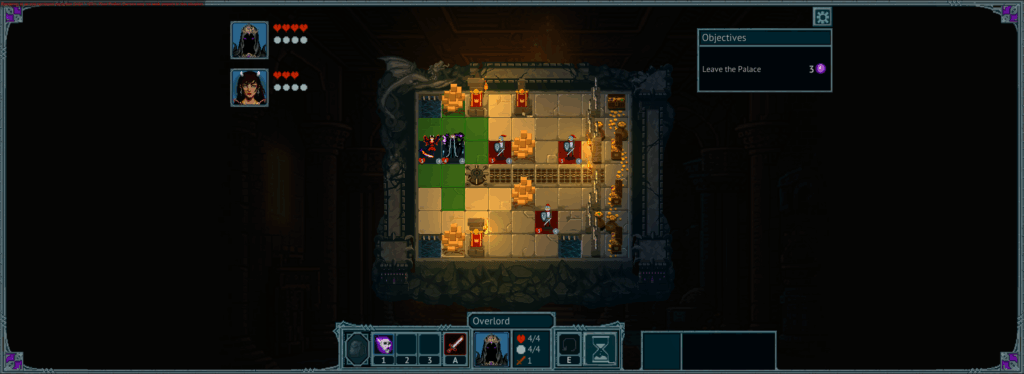
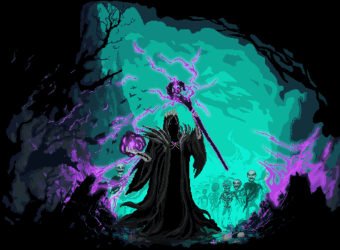
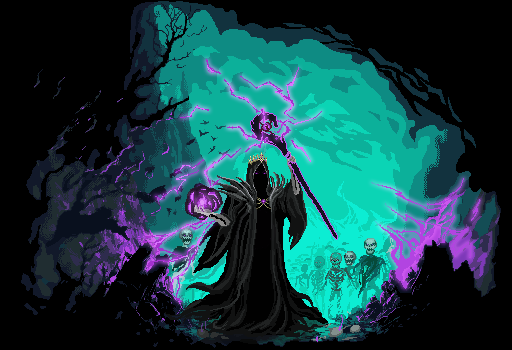
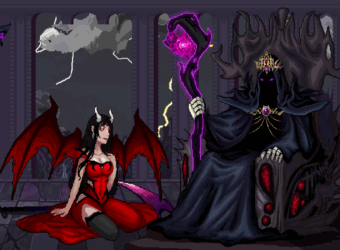
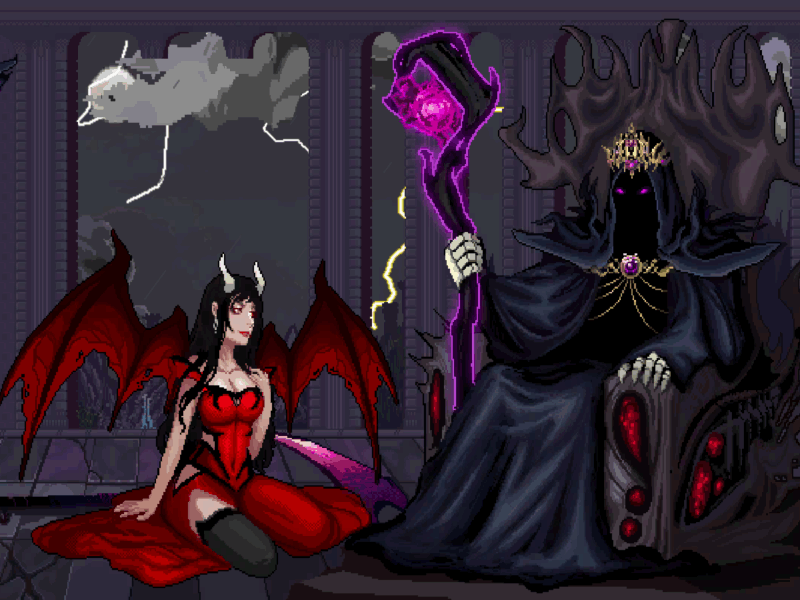
After years of late nights, endless tutorials, and a shared obsession, our team finally hit a major milestone: we released the demo for The Chronicles of Overlord on Steam! This turn-based tactical RPG with puzzle elements, crafted in our signature pixel-art style, is the culmination of our journey from a post-hackathon idea to a real game. Seeing it live on Steam feels surreal.

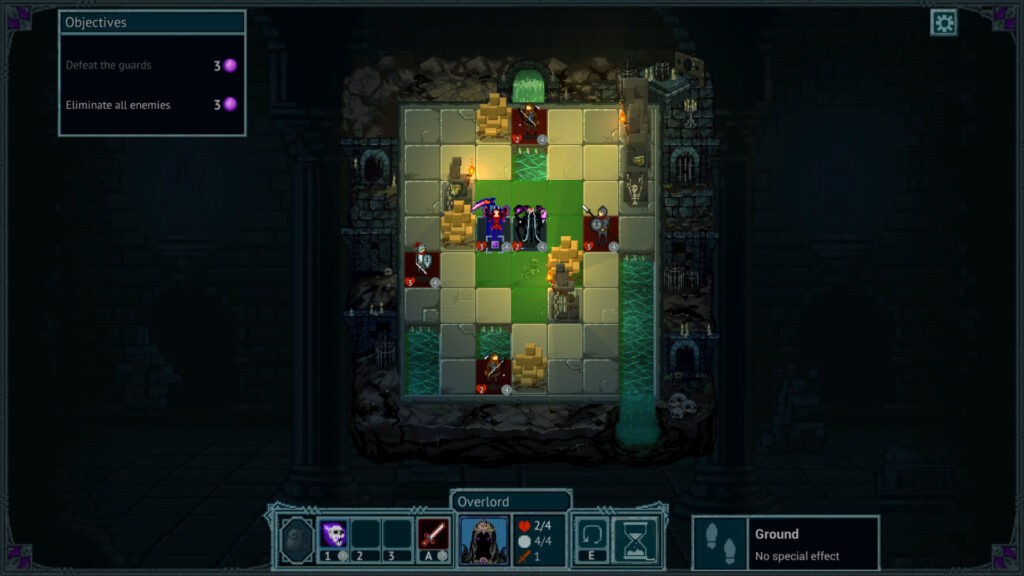
The demo, featuring a polished tutorial, the first combat level, and a taste of our quirky story, dropped earlier this year. The response blew us away—over 1,000 players have already dove into our fantasy world, battling as the Overlord to stop the Devastator. The feedback has been overwhelmingly positive, with players praising the strategic depth, retro visuals, and absurd humor. But it’s not just praise; the community’s input has been gold. We’ve learned what players love (like the puzzle-driven combat), what feels clunky (some UI quirks), and what they’re craving (more story beats and customization). This feedback is shaping every update we make.
I’ve personally poured thousands of hours into the pixel art, ensuring every sprite and animation pops, while the team has tackled code, balance, and sound to bring the demo to life. It’s been a grind, but hearing players enjoy our world makes it all worth it.
We’re not slowing down. Right now, we’re hard at work on updates—tweaking the interface, adding new levels like the Treasure Vault, and polishing based on playtest insights. We’re on the final stretch, aiming for the full release of The Chronicles of Overlord on Steam in Q3 2026. The journey’s been wild, but we’re more fired up than ever to share the complete adventure with the world.
Steam: https://store.steampowered.com/app/2150210/The_Chronicles_of_Overlord/
My Talk on Subscription Churn at ProductCamp 2024
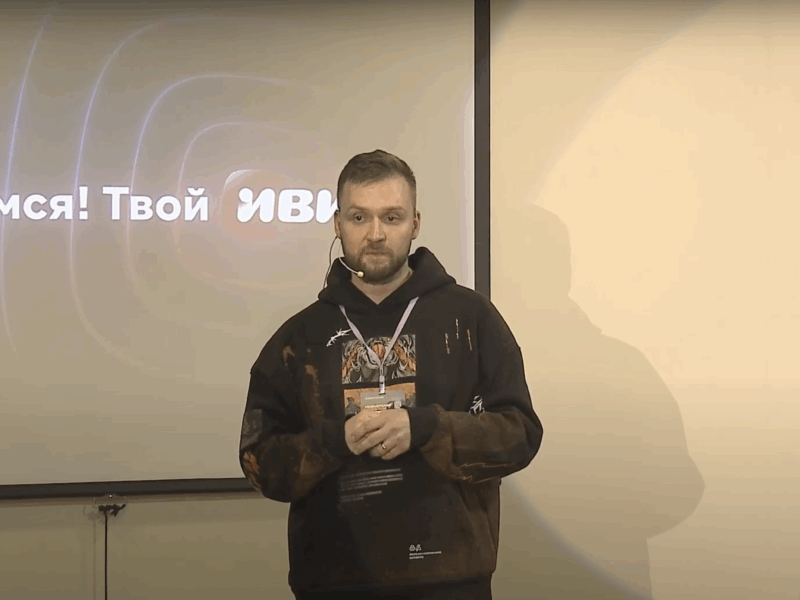
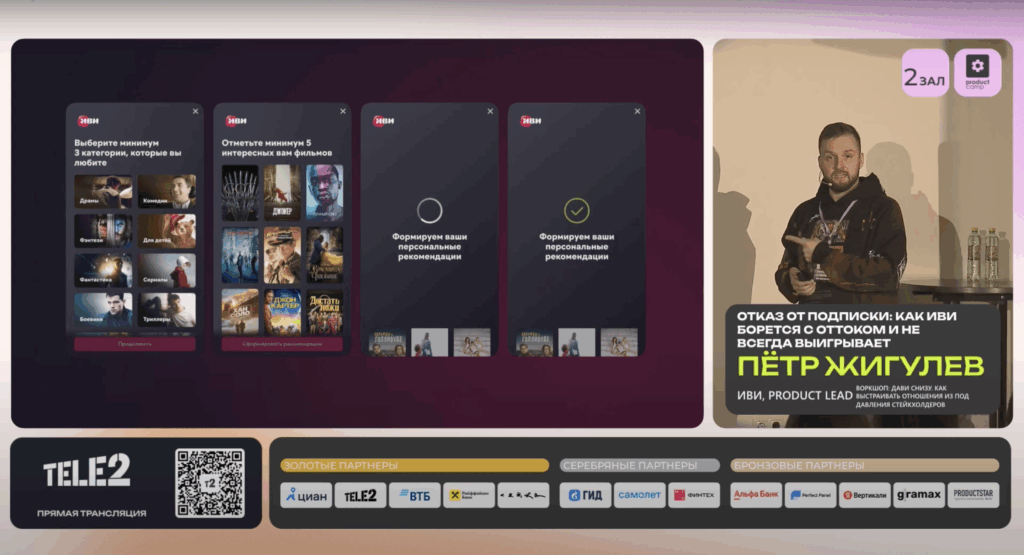
In April 2024, I had the privilege of speaking at ProductCamp Spring 2024, a vibrant conference for product managers and innovators. Held online, the event buzzed with ideas, and I was thrilled to share my insights as a Product Manager at Ivi, diving into a complex yet critical topic: subscription churn.

My talk, “Churn from Subscriptions: How to Retain Users in Your Product,” tackled the challenge of keeping users engaged in subscription-based services. The core idea? Retaining existing users is far cheaper and more effective than constantly chasing new ones. I broke down why churn happens—whether it’s poor onboarding, lack of perceived value, or friction in the user experience—and shared practical strategies to fix it. Drawing from my experience at Ivi, I highlighted data-driven tactics like personalized engagement, seamless UX, and proactive communication to boost retention.
The presentation wasn’t just about numbers; it was a call to embrace the subscription model as the future of digital products. Subscriptions build long-term relationships, create predictable revenue, and align with how users want to consume content today. By focusing on retention, companies can unlock sustainable growth. The audience connected with the message, and the Q&A session sparked lively discussions about applying these ideas across industries.
Delivering a talk on such a nuanced topic was no small feat, but the feedback was humbling. Attendees appreciated the clear, actionable insights and the passion I brought to the stage. ProductCamp 2024 was a fantastic platform to share this vision, and I left inspired, knowing the subscription economy is where the future lies.
A Year Later: Our Game Dev Journey Continues

A year after our post-hackathon spark, we’re still deep in the grind of making our quirky, story-driven puzzle game. The dream hasn’t faded—it’s only gotten sharper. This year, we’ve locked in our visual style, leveled up our skills, and pushed the game closer to reality.
We settled on pixel art as our visual backbone. Why? It’s not just nostalgia, though our love for retro classics plays a part. Pixel art fits our small team’s scope—its constraints force creativity without demanding massive resources. It’s also timeless, letting us craft a distinct vibe with limited manpower. Plus, the crisp, deliberate aesthetic aligns perfectly with our game’s absurd humor and puzzle-heavy world. Every pixel feels like it matters, and that’s the kind of care we want players to notice.
To get there, I, the author, dove headfirst into becoming our team’s artist. Five books on pixel art and animation—covering everything from color theory to sprite movement—became my obsession. Titles like Pixel Logic and The Animator’s Survival Kit were game-changers, breaking down techniques I could actually apply. Over 500 hours this year went into sketching, spriting, and animating. From clunky first attempts to smooth character walks and punchy effects, the progress is real, even if the learning curve was brutal.
On the dev side, we’ve made serious strides. The tutorial is done, teaching players the core mechanics with a mix of wit and clarity. The first combat level is playable, packed with puzzles and enemies that test the brain as much as the reflexes. We’ve also built out the main menu, a slick hub that sets the game’s tone. It’s not perfect yet—bugs creep in, and balancing is a nightmare—but seeing these pieces come together keeps us hooked.
The obsession from last year hasn’t faded. If anything, it’s stronger. Every sprite, every line of code, every late-night debug session feels like a step toward something bigger. We’re not just making a game anymore; we’re building a world we can’t wait to share.
Steam: https://store.steampowered.com/app/2150210/The_Chronicles_of_Overlord/
How We Started Making Our Game
After a local hackathon, a few of us—friends in our 30s, with no prior game dev experience—gathered to chase a spark. The hackathon’s energy, the thrill of creating something from scratch, left us hooked. We wanted to build a game, not just as a one-off experiment, but as something real, something ours.

The idea came fast: a quirky, story-driven puzzle game inspired by our love for retro adventures and absurd humor. We were obsessed because it felt personal—a chance to blend our random skills, from coding to storytelling, into something players could feel. It wasn’t about fame or money; we were driven by the sheer joy of creating a world from nothing, a place where our weird ideas could live.
We dove in, learning as we went. YouTube tutorials, Unity documentation, and late-night Discord calls became our life. We started small—basic mechanics, rough pixel art, placeholder sounds. Every tiny step, like getting a character to move or a puzzle to work, fueled our fire. We weren’t pros, but we were all in, hooked on the dream of seeing our game come to life.
Steam: https://store.steampowered.com/app/2150210/The_Chronicles_of_Overlord/
Hack.Moscow — Another Small Victory
Recently, I participated in the Hack.Moscow v2.0 hackathon, which took place from October 26-28 in Moscow. It was one of the largest events as part of the official MLH Season 2019, organized by the professional community Russian Hackers. The hackathon brought together 400 participants from 14 countries and became a true innovation hub, where young professionals and experienced developers worked for 36 hours to solve various technological challenges.
Hack.Moscow in Numbers:
- 1700 applications
- 400 participants
- 14 countries
- 36 hours of coding at a cozy venue provided by 1C
- 32 GPUs worth a total of $320,000 provided by partners
The hackathon featured diverse tracks such as AI, Big Data, Blockchain-CTF, Entertainment, Digitalization, E-commerce, Fintech, and more. Partners included major companies like IBM, Nvidia, REG.RU, Avast, HERE, HSE, MIPT, and many others.
What Happened at the Hackathon?
Participants were presented with various challenges from leading companies, including 1C, MTS, Rosbank, Sibur, REG.RU, WorldQuant, BANKEX, HERE, and Cleverbots. The event featured lectures and workshops led by mentors and experts from various fields. The hackathon was not only impressive in terms of its international scale and strong organization but also had an inspiring atmosphere of collaboration and healthy competition.
Our Victory: The ReView Project
One of the most exciting tracks was the challenge from 1C, which tasked participants with creating innovative solutions in the field of digital business. For this assignment, our team developed a product called ReView — a platform that allows users to scan product barcodes and compare their prices in online aggregators and nearby offline stores.
The core idea is that users can find products in nearby stores and compare prices with online retailers. If the price in the local store is lower than online, the app suggests visiting the store, helping customers save both time and money. We focused on user convenience by offering instant comparisons and flexible options. Our solution was highly praised by the jury, and we became one of the hackathon winners.
Conclusion
Hack.Moscow v2.0 was not only a platform for generating new ideas but also an incredible experience where we could test our skills in a competitive environment, collaborate with interesting people, and gain valuable knowledge from experts. This wasn’t my first hackathon, but each one offers a unique experience that allows both teams and individuals to grow and improve.
Articles:
Venture Infrastructure in Russia: A Look to the Future

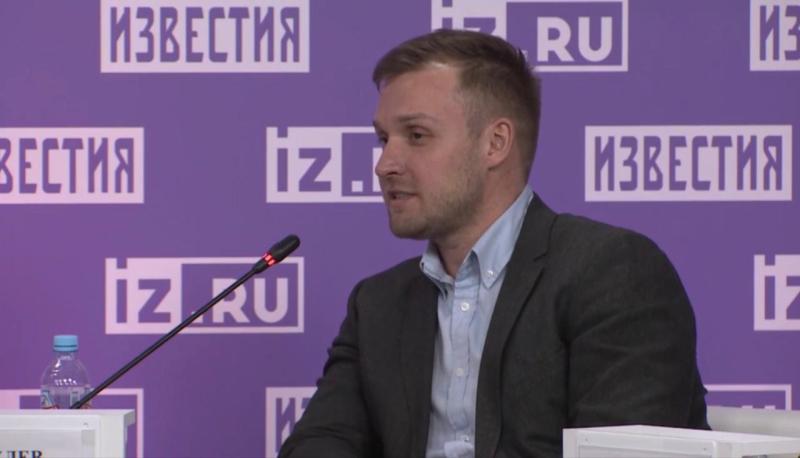
In 2019, I had the opportunity to speak at iz.ru (Izvestia) on the topic of “Venture Infrastructure in Russia.” At this event, I shared my observations about the state and prospects of venture capital development in our country.
Early Stage and Great Prospects
I noted that the Russian venture sector is in its early stages of development. In today’s world, we have a unique opportunity to unlock the potential of innovative ideas and startups. However, a key factor in achieving success will be our ability to avoid pitfalls related to the economic and political situation in Russia.
Growth Rates of Venture Capital
According to recent data, the growth rate of venture capital in Russia stands at an impressive 30% per year. This indicates a strong interest in new ideas and startups that have the potential to disrupt the market.
Emergence of Infrastructure Players
In recent years, we have seen a rise in the number of startups and various infrastructure players, such as accelerators, venture funds, business angels, and incubators. This ecosystem is beginning to take shape and positively impacts the development of venture capital.
The Role of Government and Its Consequences
Nevertheless, I emphasized the significant role of the government in this field. Excessive interference and bureaucratic hurdles may hinder the sector’s growth and development in the future. It is crucial to find a balance that allows entrepreneurs and investors to retain their initiative.
Searching for Teams in Technical Universities
During my personal experience, I visited five technical universities in Russia to find talented teams for startup creation. This experience was disheartening, as I encountered many theorists and only a few enthusiasts willing to bring their ideas to fruition. This highlights the need for more active engagement of youth in practical activities and entrepreneurship.
In conclusion, the future of venture infrastructure in Russia appears promising but requires a careful approach to creating conditions for its growth and development.
Application of Blockchain Technologies in the Transport Sector: Presentation at MEFT-2019

In 2019, I spoke at the IX International Eurasian Taxi Forum (MEFT-2019) on the topic of blockchain technology applications in the transport sector, with a particular focus on the taxi industry. The foundation of my presentation was based on innovative solutions from Bitfury, a company actively developing blockchain technologies for various industries, including transportation.
My presentation demonstrated how blockchain can improve transparency, security, and efficiency in taxi operations. For example, it can simplify and automate payment processes, bookings, and the verification of driver and vehicle data. Distributed ledger technology has the potential to fundamentally change how companies interact with customers, providing more trust and control over data.
After the presentation, I discussed the potential of blockchain implementation with the executives of major taxi fleets in Russia. Key topics included the possibility of increasing transparency in financial operations, improving fleet management, and minimizing fraud through decentralized solutions.
Source: meft.info
EdCrunch / MIX HACK: 1st Place at the Hackathon
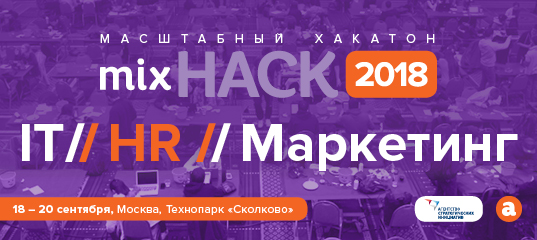
At the HR&Trainings EXPO 2018, I participated in a large-scale Hackathon where cross-functional teams of IT, HR, and marketing professionals tackled pressing labor market issues amid the shift to a digital economy. Over two intense days, we developed new, tech-driven HR products in real-time, culminating in presentations of our solutions.
Our team, Market.skills, which I co-founded, was a first-time Hackathon participant. We came together on the first day of the event, forming a team of five: myself, Petr Zhigulev (entrepreneur); Ilnur Salifov and Yulia Raylyan (HR specialists); Alexey Saraev (iOS developer); and Pavel Shevsky (marketer). We didn’t select team members based on specific skills or previous experience but simply gathered, chose a relevant task, and devised a solution that ultimately won us first place.
As it was our first Hackathon, everything was a surprise—from team formation to the announcement of results by the esteemed jury. I initially expected organizers to assign individual participants to teams, but it turned out to be a real-life scenario: if you wanted to join a team, you needed to pitch yourself or form your own team from others in the same situation. This is exactly what we did. Preparing for the Hackathon was challenging due to the uncertainty, so I focused on understanding competency profiles. As for the future, we plan to start with IT recruitment but aim to expand to other areas.
Our service enables employers to select suitable candidates from a digitized database based on specific tasks. It also assists small companies without competency profiles by offering templates on the platform to guide candidate selection.
Our HR product is designed for large and medium IT companies that constantly need specialists with varying skill depths. This platform will help HR professionals, agencies, and companies find the right employees quickly, saving significant time on resume screening and multiple interviews.
Team members: Petr Zhigulev, Alexey Saraev, Pavel Shevsky, Ilnur Salifov, Yulia Raylyan.
Sources:
My Resume
Experience
Product Lead
IVI.TV a platform with over 50 million monthly active users and more than 10 million active subscribers
As a Product Lead at ivi.tv I have played a pivotal role in enhancing the value of the product for both subscribers and non-subscribers. By focusing on reducing user churn and increasing retention and engagement metrics, my team and I have significantly improved the overall user experience and implemented various strategies to drive user satisfaction and loyalty.
Here are some key responsibilities and achievements during my tenure:
- Boosted Product revenue by 40% through strategic features releases and targeted market analysis
- Reduced subscription churn by 4 percentage points
- Acted as the liaison between Product, IT, and Sales teams to understand customer demand for new features and prioritize the Product Roadmap
- Developed Product Roadmaps and Product Visions, defining and presenting strategies for features across various platforms (WEB, iOS, Android, Smart TV)
- Owned the Product roadmap of the Subscription Team and met 90% of all features deadlines by identifying and mitigating any developing roadblocks
- Owned the Planning and Scheduling of two-week sprints and articulated Product Vision to Developers
- Led a 3-person Product Team in collaboration and vision toward launching product solutions that are simple, delightful, and impactful
- Led a team of 20+ engineers (Developers, QA, Technical Managers, Product Designers, Analytics)
- Worked closely with the Machine Learning, Recommendation, and Data Analytics teams to deliver personalized features and leverage data-driven insights
- Leveraged data, analytics, and A/B testing methodologies to iterate and drive team financial accountability for results
Chief Product Officer (co-founder)
Blind Archer Games is a studio founded by three enthusiasts with the goal of collaboratively developing and releasing video games for PC and consoles. Currently, we are working on a turn-based tactical game in pixel art style for Steam.->Website "The Chronicles of Overlord"
->Steam "The Chronicles of Overlord"
As the Chief Product Officer and co-founder of Blind Archer Games, I have combined the roles of a Product Manager and a key decision-maker in our game development venture. Our focus has been on creating a turn-based strategy game for the PC and Consoles. Currently, we have a demo version of the game and are in the process of preparing for early access on Steam. Here are some key responsibilities and achievements during my tenure:
- Built a team from “0” with all the processes, which ultimately allows us to successfully create a Turn-based Strategy Game for PC and Consoles for the third year
- Developed comprehensive Product Roadmaps and Product Visions to guide the development and release of the game
- Applied Agile/Scrum to streamline development processes and set up all the necessary activities (DSM, Retro, Planning, PBR)
- Implemented a quarterly OKR format, resulting in a 25% reduction in time-to-market for new features
- Developed a system of Product and Business Metrics and set up the Dev2Dev analytics system, resulting in a 30% increase in User's Lifetime
- Organized and participated in 10+ Customer Experience focus group sessions (Playtests)
- Developed and executed marketing strategies to create awareness and anticipation for the game's upcoming release
Product Manager
I worked at a small venture fund in Russia, where I focused on creating and developing startups. My role involved guiding new ventures through their early stages, from ideation to growth, across various industries.
As a Product Manager at Venture Invest Fund, I played a pivotal role in building a completely new team to implement innovative products in the FoodTech, HealthTech, and GameDev markets. My responsibilities included developing the go-to-market strategy, analyzing product economics and metrics, and overseeing the overall product management process.
Here are some key responsibilities and achievements during my tenure:
- Led 3 products from concept to development, encompassing competitive analysis, product strategy, interaction design, user testing, functional requirements gathering, and feature prioritization (AI Nutrition Startup, PC Gaming, P2P Carsharing App)
- Developed a Vision and Strategy for each product to achieve the company’s goals
- Drove the adoption of Amplitude & Google Analytics, which enabled the team to make informed decisions that led to a 20% increase in overall product performance
- Managed and prioritized Product Backlog by creating 50+ User Stories and Epics
- Created 10+ business process flow diagrams as the basis for designing new product features
- Validated 30+ user test cases (from User Stories) to verify features worked as designed
- Participated in 10+ industry shows and conventions
- Implemented Jira Agile Process improvements that led to a 30% reduction in lead time for delivering new features
Key Projects:
- Developed apps (iOS & Android) to provide personalized nutrition recommendations based on AI
- Developed MVP of a peer-to-peer carsharing project
Project Director
I worked at a systems integration company ICON GROUP in the B2B market, specializing in Telecom, IT, and Enterprise sectors. My role involved equipment supply, service delivery, and the implementation of large federal projects.
As a Project Director at "ICON" LLC, I managed multiple system integration and service delivery projects in the Telecom & Enterprise sector. With budgets ranging from $0.5M to $6M, I successfully completed over 100 projects, ensuring effective coordination, communication, measurement, and stakeholder management.
Key Responsibilities and Achievements:
- Developed the Project Management Office from 0 to 15 employees, which enabled the successful completion of 100% of the company's projects and achieved a 30% ROI
- Developed a data-driven Project Management culture by building KPI dashboards for executives around feature development and product life-cycle
- Cut operational costs by 15% through direct negotiations with different vendors and subcontractors
- Built all internal communications and processes in the company, reducing time-to-market by 20%
- Initiated and led a project to automate a Project Management system based on "1C", reducing project implementation costs by 15%
- Negotiated day-to-day trade-offs across multiple dimensions such as value, time, cost, and risk
- Reported project progress to the CEO and the client, maintaining transparency and addressing concerns
- Managed Profit & Loss (P&L) and budget accountability, delivering cost-effective solutions
- Expertise in data communication (IP/MPLS), optical network (xWDM), wireless technologies (Wi-Fi, WiMAX, 3G/4G, GSM-R), The Internet of Things (IoT), storage and servers, and IT systems
Key Projects:
- Telecommunication projects with major telecom companies such as Rostelecom, Megafon, MTS, Tele2, and Vimpelcom
- Largest project: Installing the Long-Haul DWDM 100G network. This was the first deployment of Cisco Systems Long-Haul DWDM 100G in Russia, involving 36 installation teams from the Urals to Eastern Siberia, working in adverse climatic conditions. The project included 23 DWDM engineers with the necessary equipment and 182 sites, all implemented on a tight schedule
Publications and articles
New influence-marketing tools and their application in business activities
Journal: ScienceOpen PreprintsPublisher: ScienceOpen
The article is devoted to the research of new influence marketing tools and issues of their application in business activity. It is emphasized that influence-marketing is a way of promotion through opinion leaders (influencers) and their audience. The importance of influence-marketing as a tool for strengthening the brand, attracting the audience and increasing sales through the formation of trusting relationships with the target audience is defined. Key trends in the development of influence-marketing are highlighted, and SWOT-analysis of its application in the context of business activity is carried out. The paper highlights new formats of influencer marketing including short videos, live broadcasts, text and visual content, exclusive materials, which along with modern analytical tools provide an increase in the quality of interaction with the audience and stimulate sales. The study emphasizes the applied meaning of influencer marketing for business, taking into account its resulting nature in promotion.
Link here: New influence-marketing tools and their application in business activities
Agile methodology for managing development teams (example from the gaming industry)
Journal: ScienceOpen PreprintsPublisher: ScienceOpen
This article analyzes the features of applying Agile methodology in managing developer teams in the gaming industry. It reveals the principles and main tenets of Agile project management methodology and its key differences from traditional approaches. The limitations of Agile project management methodology are highlighted. The values of Agile management of development teams in the gaming industry are established and specified. The conclusions of the research focus on the peculiarities of managing developer teams in the gaming industry based on Agile project management methodologies.
Link here: Agile methodology for managing development teams (example from the gaming industry)
Theoretical and applied aspects of A/B testing in a modern company
Journal: ScienceOpen PreprintsPublisher: ScienceOpen
The article is devoted to the study of theoretical and applied aspects of conducting A/B testing in a modern company in the context of decision-making within the product strategy. It describes A/B testing as a method of marketing research, clarifies the advantages of A/B testing and criteria for its conduct, and identifies prospects for improving the results of A/B testing. An algorithm for conducting A/B testing is formulated, following which it is possible to obtain sufficiently reliable results, taking into account the specific features of the company and the parameters set. It is emphasized that conducting A/B testing also requires consideration of the specific context, objectives of the company's product or marketing strategies, and the characteristics of the target audience, which allows for improving the effectiveness of A/B testing. The conclusion of the study is that this method is highly valuable from the perspective of product development of a company, as A/B testing becomes a significant tool in supporting decision-making and allows for product development while reducing the costs necessary for analyzing the effectiveness of its test versions.
Link here: Theoretical and applied aspects of A/B testing in a modern company - PENDING article, waiting for approval
On the Issue of Preparing and Implementing a Product Strategy
Journal: ScienceOpen PreprintsPublisher: ScienceOpen
This article is dedicated to exploring the theoretical essence, aspects, and trends in preparing and implementing a product strategy in the activities of companies at the current stage. It provides a theoretical description, the concept, and contemporary product strategies. The presence of a connection between strategic management and the development of a product strategy is highlighted. It is emphasized that the process of implementing a product strategy presupposes its reproduction in practice, taking into account the specific stage, changes, and market dynamics. A typical algorithm for preparing a product strategy is characterized, broadly reflecting practical recommendations, relying on which companies will be able to prepare their own product strategies. The research concludes with general trends in the preparation and implementation of product strategies by domestic companies, among which are: a high level of customer orientation; the ambition to reduce the level of costs (focus on price competition); replacement of imported products and promotion of "domestic products".
Link here: On the Issue of Preparing and Implementing a Product Strategy
Innovative technologies for megacity development in the context of urbanization
Journal: ScienceOpen PreprintsPublisher: ScienceOpen
A smart planet begins with smart cities. By 2000, the urban population made up 47% of the world's inhabitants. Analysts predict that by 2050, more than 70% of the Earth's population will live in cities, which will undoubtedly lead to an increase in traffic, expansion of building construction, require more efforts in energy resource conservation, environmental protection, and public health, and will increase the need for interaction between government, business, and society.
Today, the efficiency of urban services depends not only on the city's investment in physical infrastructure ("capital in tangible form") but also on the availability and quality of telecommunication channels and social infrastructure (intellectual capital and social capital). This latter form of capital determines the city's competitiveness. This is why the "smart city" model has been introduced as a strategic means of organizing modern urban production factors into a unified structure and drawing attention to the increasingly significant role of information and communication technologies (ICT), social capital, and natural capital in defining urban competitiveness. The importance of these assets—social and natural capital—is what distinguishes "smart" cities from less technologically advanced ones, creating a clear boundary between them and allowing them to be labeled as digital or intelligent cities.
Link here: Innovative technologies for megacity development in the context of urbanization
Education
Moscow, Russia
Moscow Institute of Electronics and Mathematics (Technical University)Engineer's degree, Information Technology (2003 - 2008)
I received my degree from the Moscow Institute of Electronics and Mathematics (Technical University), majoring in "Automated Information Processing and Control Systems" at the Faculty of Electronics. Over the course of five years, I gained foundational and practical knowledge in programming, electronics, and robotics. My graduation project focused on developing a comprehensive management and accounting system for a tea company. This project covered all key business processes, from supply chain management to sales tracking, which not only strengthened my skills in programming and automation but also gave me a deeper understanding of modern enterprise management.
Moscow, Russia
The Russian Presidential Academy of National Economy and Public Administration (RANEPA) Manager, Innovative interaction between government, business and society (2010 - 2013)I obtained my second higher education at the Russian Presidential Academy of National Economy and Public Administration (RANEPA), where I studied at the Faculty of Business, specializing in "Innovative Technologies of Interaction between Government, Business, and Society." This program provided me with deep insights into the complex relationships between the public sector, business, and civil society, with a focus on implementing cutting-edge technologies to foster collaboration and innovation. Throughout my studies, I gained valuable knowledge in public-private partnerships, management, and strategic interaction in the context of rapid technological advancements.
Certification
Certified SAFe® 6 Product Owner/Product Manager
https://www.credly.com/badges/af9166f6-538e-4949-8335-9951b35b4c39/public_url
Professional Scrum Product Owner™ I (PSPO I)
https://www.credly.com/badges/d6d5cf18-feb5-4b11-af0f-5f724586140c/public_url
Professional Scrum Product Owner™ II (PSPO II)
https://www.credly.com/badges/635dc621-5041-47de-b134-a9bc4213edb9/public_url
Professional Scrum Master™ I (PSM I)
https://www.credly.com/badges/81e8b3c6-d9b9-48a1-a8bb-9c182e09b01d/public_url
Data-driven product management (GoPractice)
Advanced Product Management: Vision, Strategy & Metrics
https://www.udemy.com/certificate/UC-95f3148c-e2b0-4995-8d6f-ad88e94f474d/
Innovative Economy and Technological Entrepreneurship (Certificate)
PMI PMBoK v.5 (Certificate)
Contact With Me
Petr Zhigulev
Product managerI am available for freelance work. Connect with me via and call in to my account.
Email: petr.jigulev@gmail.com